Case study · Wendover
Power flushing radiators in Wendover that only warmed at the top
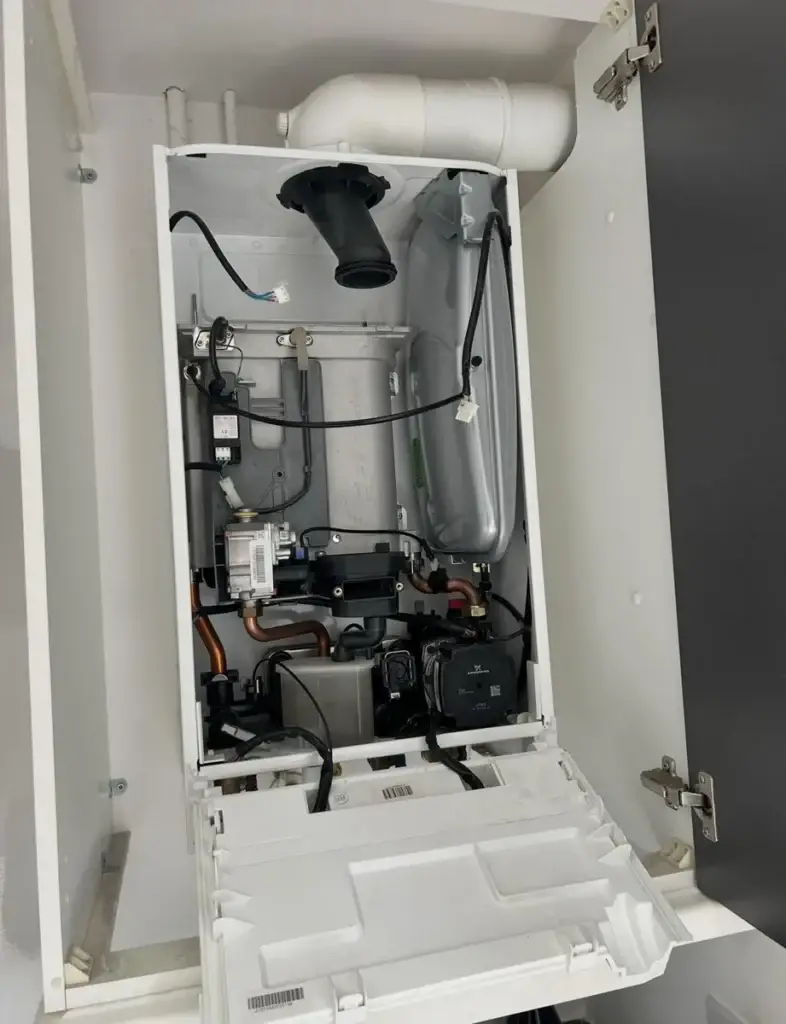
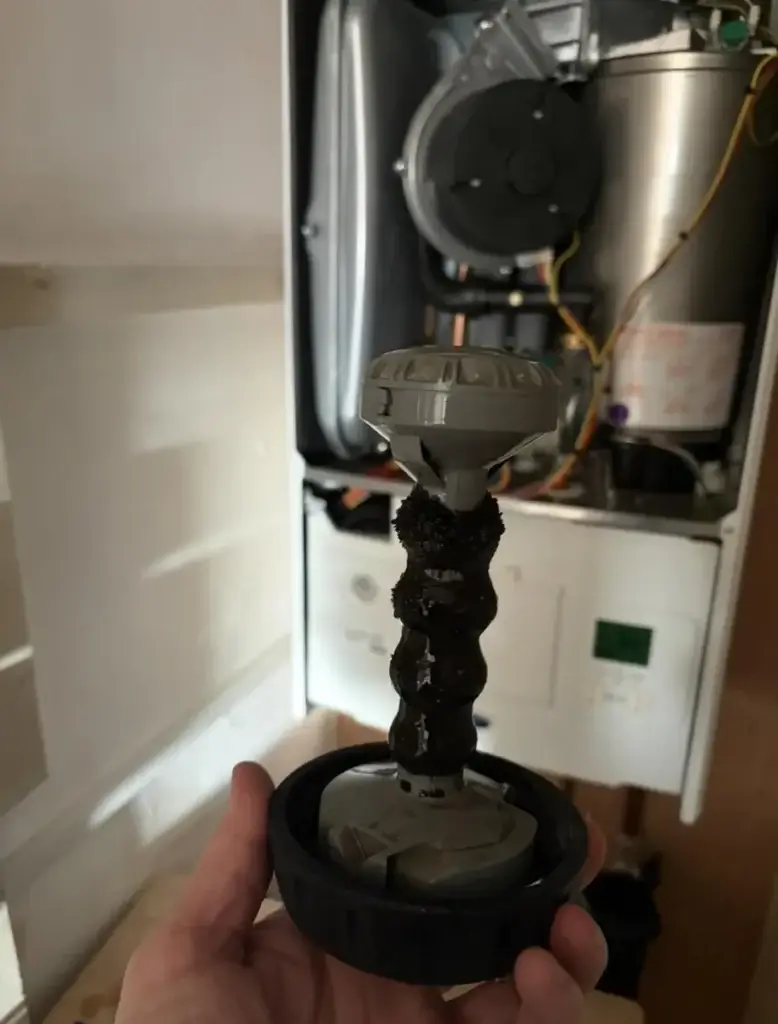
We attended a property in Wendover where the heating system was performing very poorly, with only the tops of the radiators becoming warm. This is a classic symptom of heavy sludge and magnetite build-up inside the radiators and heating system.
Here’s how a power flush works, step by step.
At a glance
Why only the tops get warm
Sludge is heavier than water, so it settles at the bottom of the radiators. The hot water can only get through the top, leaving the rest cold. Bleeding won’t fix it, because the problem isn’t air. The sludge has to be flushed out.
Before
Cold radiators with warm tops
Heavy sludge and magnetite blocking the radiators.
After
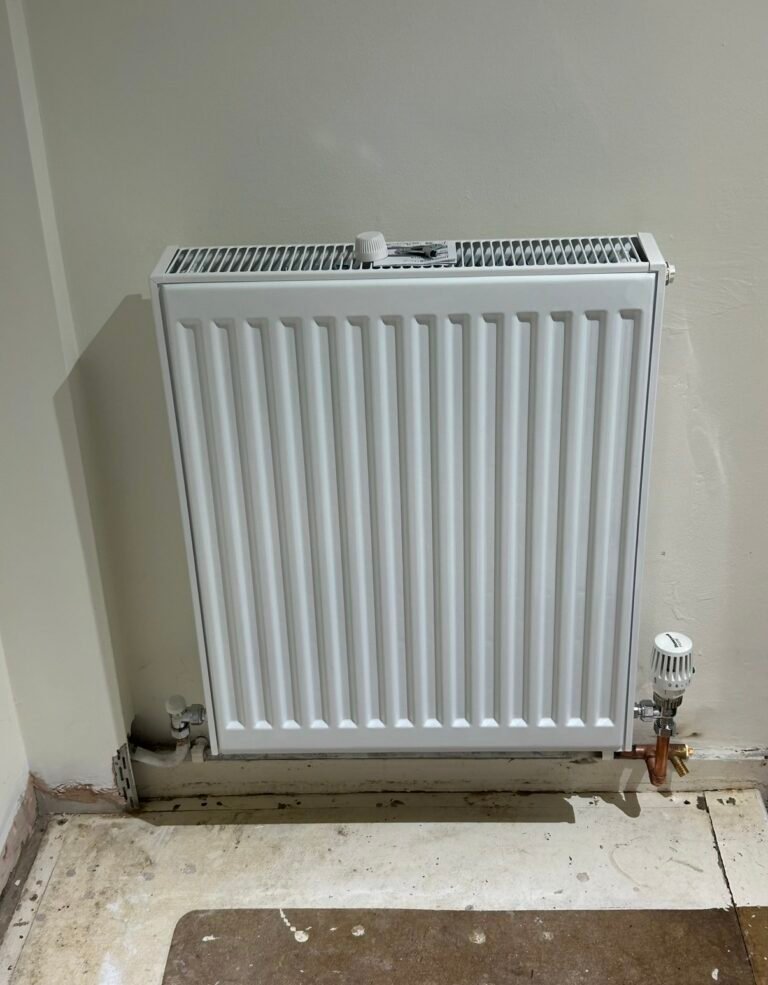
Properly heating radiators
Flushed clean, protected with inhibitor and balanced.
What we did
Breaking down the sludge
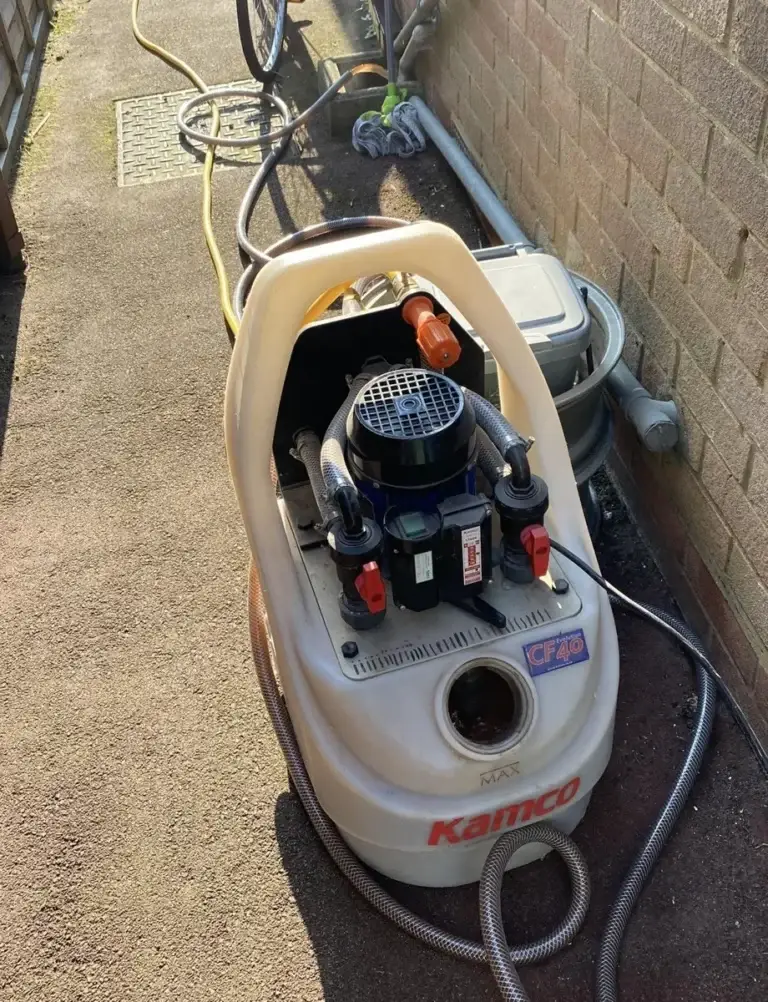
We carried out a full power flush using a high-flow, high-velocity flushing machine together with a strong chemical cleaner to help break down the accumulated magnetite.
Flushing each radiator
After allowing the cleaner to circulate, we isolated the radiators and flushed them individually so that the full flow of the machine could be directed through each one. We also used a radiator agitator to vibrate the radiators and help dislodge stubborn deposits.
Clean water through
As contaminated water circulated back through the flushing machine, it was discharged and replaced with clean water. Once the system was clean, it was drained and thoroughly flushed with fresh water to ensure the chemical cleaner had been removed.
Inhibitor and balancing
A high-quality inhibitor was then added, the system refilled and the heating turned back on. Finally, we balanced the system to achieve even heat distribution throughout the property.
Good to know
Keeping sludge away after a flush
- Keep the inhibitor at the right level. It can be checked at your annual service.
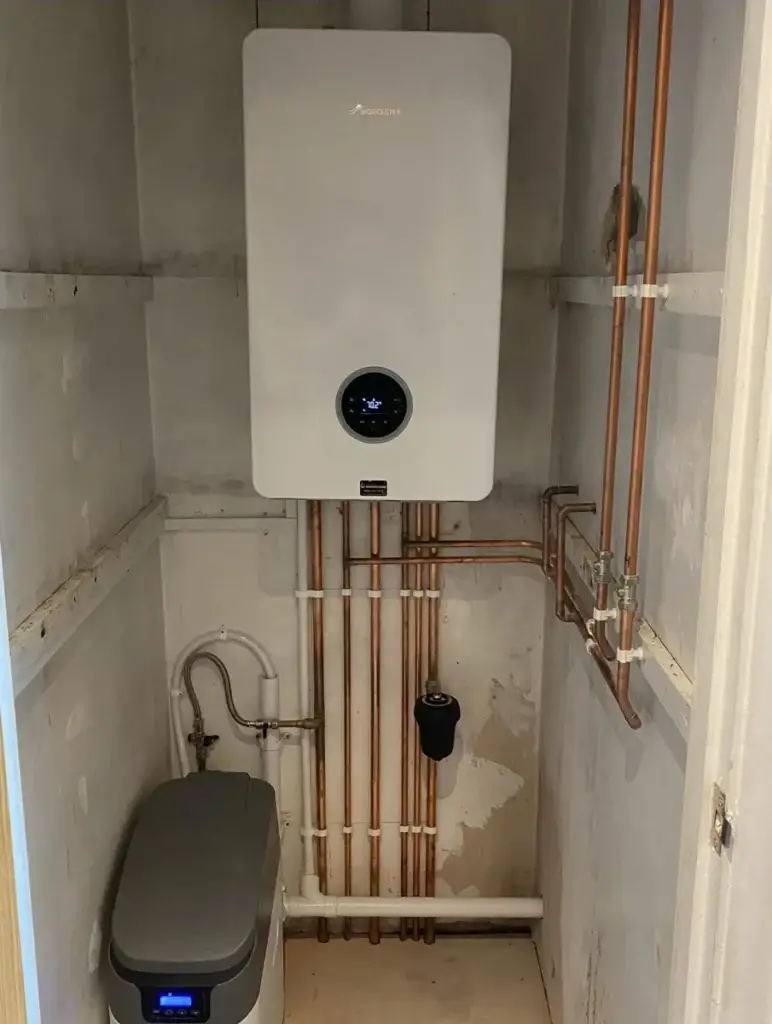
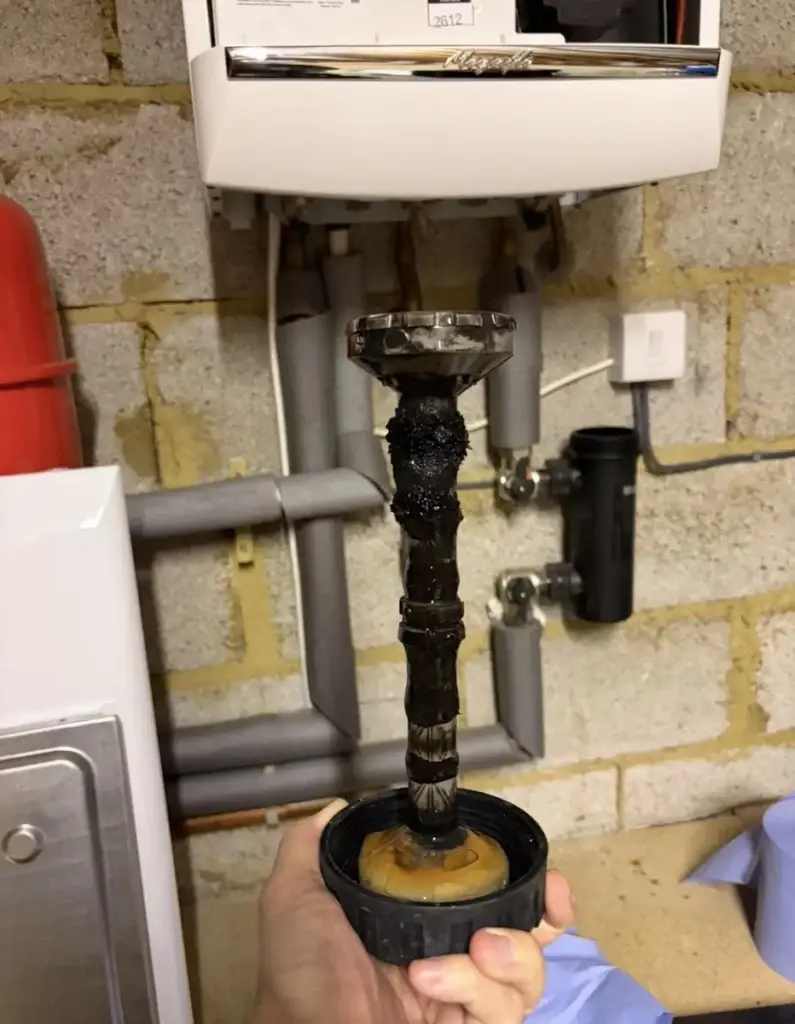
- Fit a magnetic filter, if you don’t have one, to catch new magnetite.
- Have the boiler serviced every year and the filter cleaned.
- Fix leaks quickly. Topping up the system brings in fresh water, which speeds up corrosion.
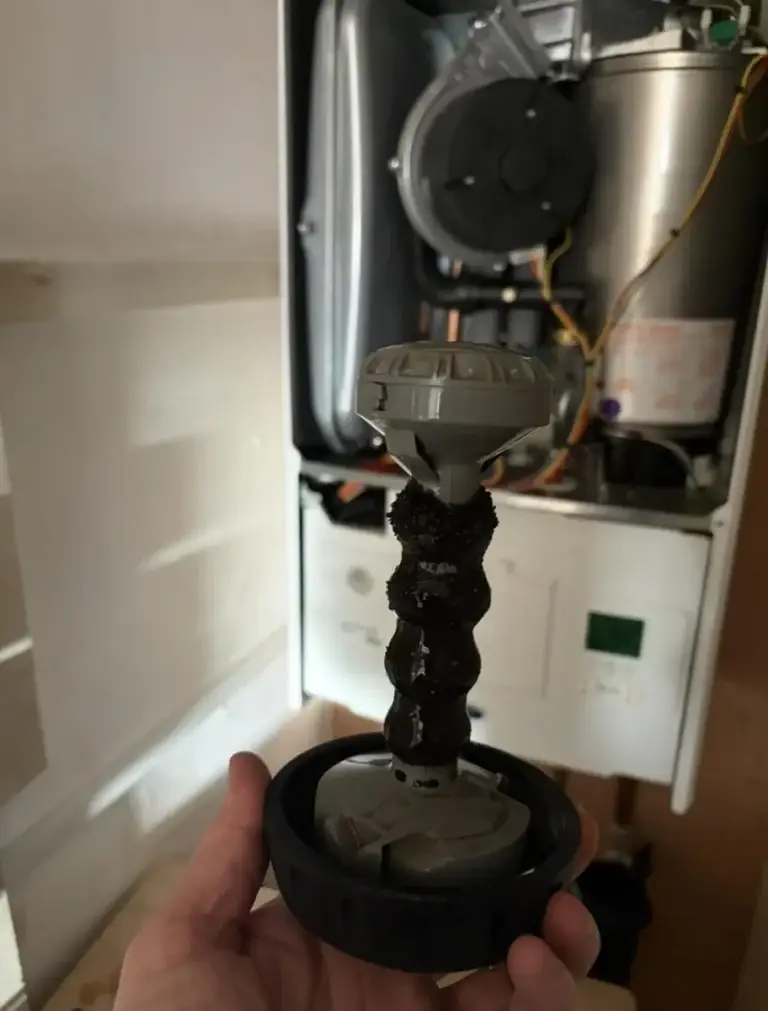
See what a magnetic filter catches in a year.
The result
The customer was left with properly heating radiators and a much warmer home.
Frequently asked questions
How long does a power flush take?
It depends on the size of the system and how much sludge there is. We’ll give you an idea of timing when we look at your system.
Will a power flush fix cold spots on my radiators?
If the radiators are cold at the bottom because of sludge, a power flush is usually the answer. Cold at the top normally means trapped air, which bleeding can fix.
Should the system be cleaned before a new boiler goes in?
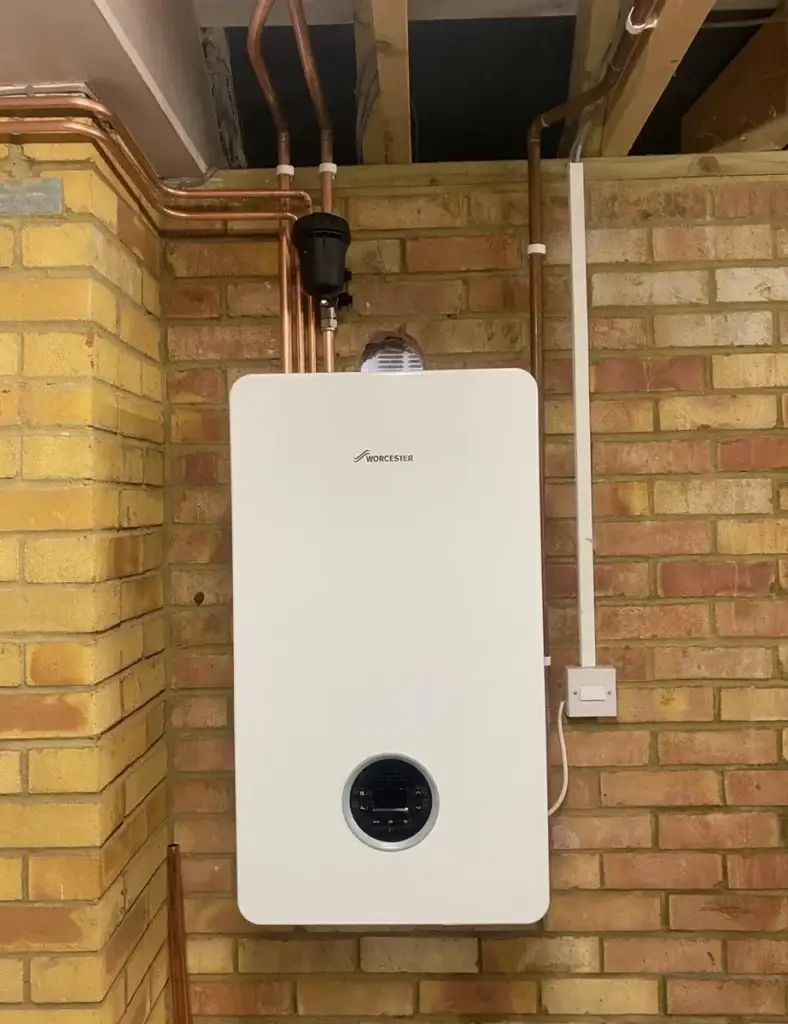
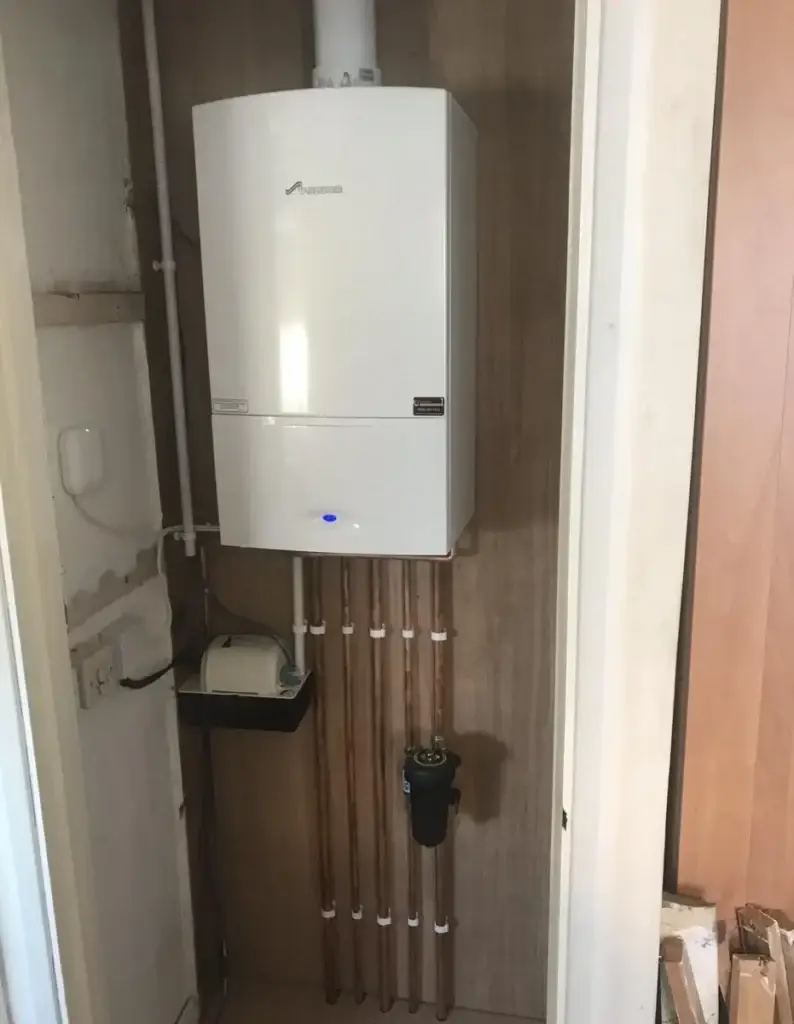
Yes. Cleaning the system protects the new boiler from old sludge, and it’s part of fitting a boiler properly, in line with the manufacturer’s instructions.
Radiators not heating properly?
We carry out heating work across Wendover, Aylesbury and the surrounding area, from power flushing to new radiators and full system upgrades. Get in touch and we’ll take a look.
More case studies
See all our case studies, read about our heating services, see our boiler installations in Wendover or find a plumber in Wendover.